Both the U.S. EPA and the United Nations have recognized that textile waste is growing worldwide and poses a global environmental problem. Consumers are buying more clothing than ever before and wearing it fewer times before disposing of it. In 2023, SWACO took the first step in understanding this issue locally by awarding the Columbus Fashion Alliance (CFA) a Community Waste Reduction Grant to conduct a textile waste study in Central Ohio. To help facilitate the study, CFA hired Mive Labs, a local consulting firm specializing in sustainability in the textile industry.
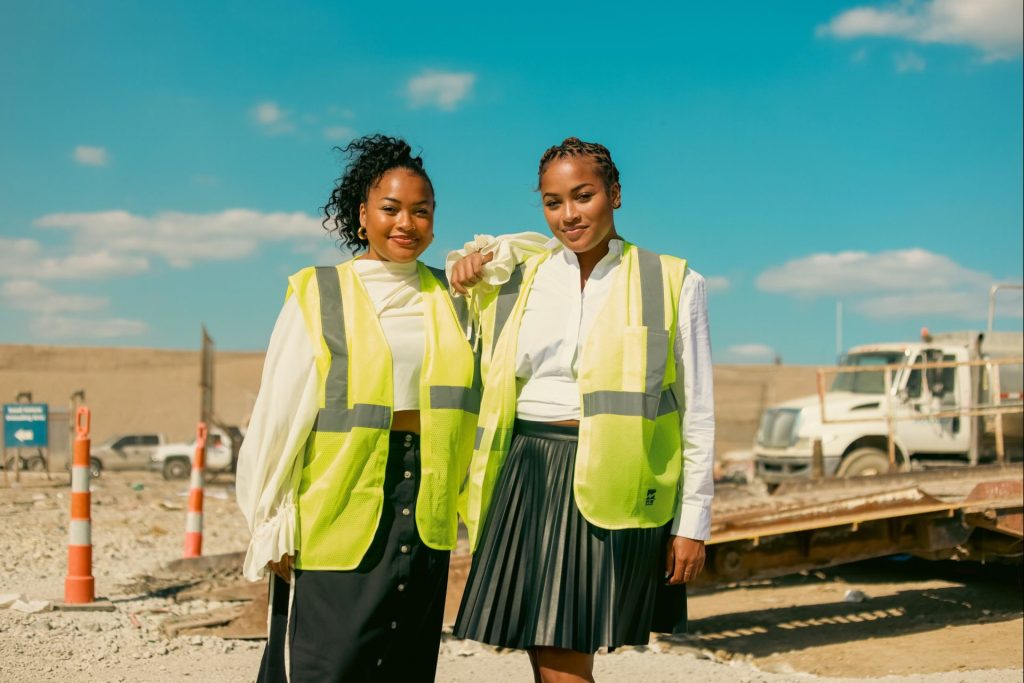
SWACO sat down with Mive Labs’ co-founder and researcher, Maya Caine, to discuss the 2023 Central Ohio Textile Report.
Q: What approach did you use to gather data for this report?
A: At Mive Labs, our approach was segmented into 3 areas:
- Reviewing existing bodies of research: Our research portfolio includes a variety of studies, such as “Hey Fashion!” (funded by the Elleen Fischer Foundation), which offered crucial insights into global fashion waste. This research laid a foundational understanding of the opportunities and challenges in applying global findings to local contexts.
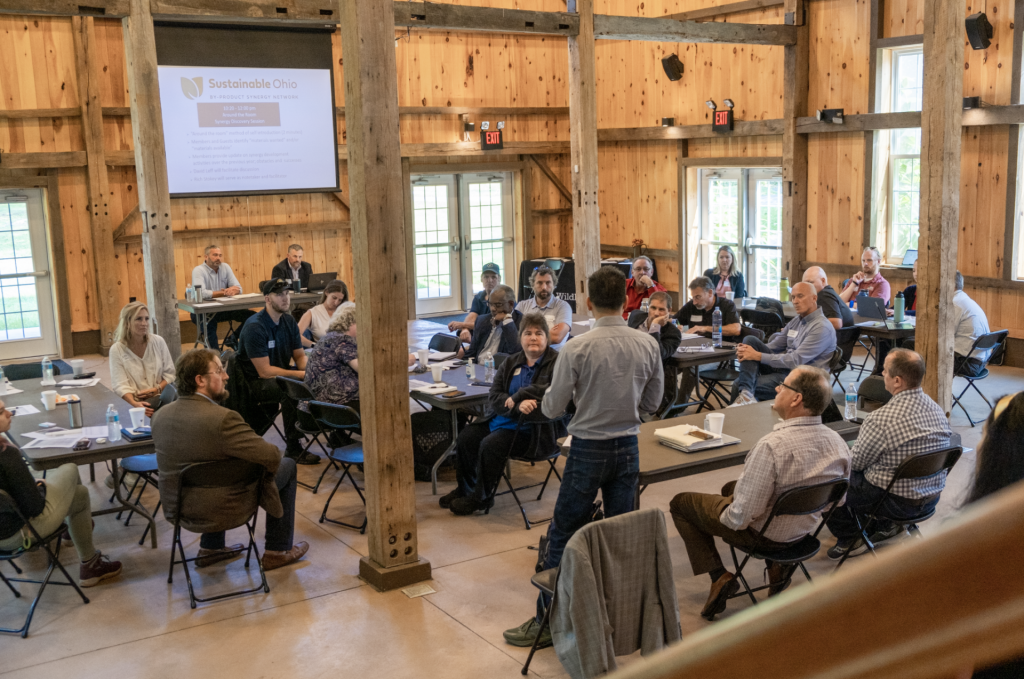
- Conducting stakeholder interviews: We interviewed 33 stakeholders across seven categories, including public uniforms, retailers, manufacturers, donation centers, and commercial businesses. These interviews yielded key insights into the generation, processing, and ultimate disposition of textile waste.
- Surveying Franklin County residents: Additionally, our survey, with 157 participants across 46 of 48 Franklin County zip codes, shed light on the fate of textiles once they are no longer needed or used.
Q: Based on your research, what can you share about the current state of textile and fashion waste generation?
A: Fast fashion, characterized by the rapid production of inexpensive and trendy clothes, has led to a significant increase in textile and fashion waste. Today, there is a 60% rise in the number of clothing items ending up in landfills compared to 15 years ago, with the lifespan of a garment now half of what it used to be.
This waste is largely a result of overproduction and overconsumption. In the fashion and textile industry, about 30% of finished goods are never sold, and a substantial amount of waste is also generated during the design and manufacturing processes. Most of these unsold products or materials end up being landfilled or incinerated. For residents, a fast fashion item is typically worn only about seven times before being discarded, fostering a mindset that treats fashion as disposable.
While textile and fashion waste are a major problem impacting communities globally, we believe that Central Ohio is uniquely equipped to effectively address this issue and harness economic opportunities from this waste stream.
Q: What are some solutions that came to light from the report?
A: There are a lot of opportunities to engage in problem-solving for circularity. A solution that is working now in Central Ohio, and can be improved upon, is keeping textiles circulating in the community:
- Form a cross-functional working group to manage textile waste effectively.
- Offer incentives to attract textile sorting and recycling businesses, capitalizing on the growing $9.9 billion
- Enhance Central Ohio’s collection, sorting, and recycling infrastructure to meet stakeholder needs.
- Boost Columbus’ support for textile and fiber arts, complementing its sustainability and artistic goals.
- Create a marketplace for recycled textiles and used clothing to promote local designer demand.
- Expand buy-sell-trade stores to reinforce Central Ohio’s fashion identity and economic resilience.
- Foster cross-industry partnerships for innovative waste management and sustainability.
Q: Can businesses engage with you to improve their circular fashion practices?
A: Yes! Feel free to email us at info@mivelabs. We can:
- Advise organizations on adopting circular practices.
- Research waste prevalence and diversion methods
- Facilitate circular design interactive workshops
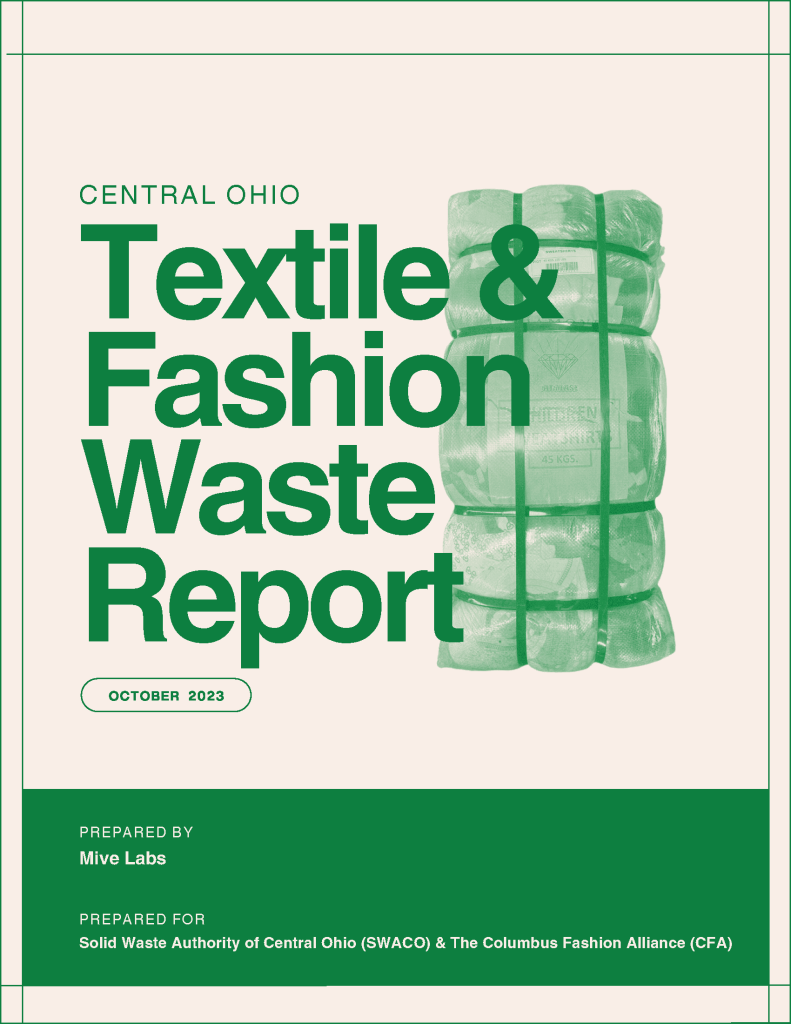
Download the 2023 Textile & Fashion Waste Report Today!