

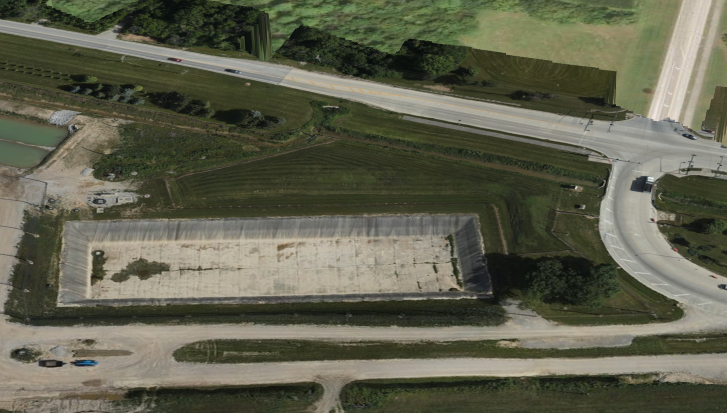
Managing a landfill involves far more than the disposal of solid waste. Rainfall and moisture that passing through waste layers generate leachate, a contaminated liquid that must be collected, stored and disposed of under strict state and federal regulations. At the Franklin County Sanitary Landfill (FCSL), managing that liquid is one of the most important parts of daily operations.
Leachate is captured through a network of pipes built into the landfill’s design. As waste is placed and the landfill expands, additional collection infrastructure is installed to direct leachate to collection points rather than allowing it to pool or seep into the surrounding soil. From there, leachate is pumped directly to the Southerly Wastewater Treatment Plant, a Publicly Owned Treatment Works (POTW) operated by the City of Columbus. If that pumping is paused, the FCSL maintains an on-site leachate lagoon for storage until pumping can resume. The system includes multiple layers of protection, including liners, collection pipes and storage infrastructure, all designed to keep leachate contained and away from the surrounding environment.
Managing leachate doesn’t end once the collection system is in place. Storage tanks, pipes and stormwater areas are inspected on a regular schedule, and any changes in flow or maintenance needs are addressed promptly to help keep the system operating as intended.
The Ohio Environmental Protection Agency (Ohio EPA) establishes the requirements for how leachate must be collected, stored, monitored and reported. SWACO works closely with the agency through regular reporting, site visits and ongoing communication to help ensure the system continues to meet those standards and protect groundwater and nearby waterways.
Most visitors never see the leachate collection system, but it operates every day at the bottom of the landfill. Along with routine maintenance and regulatory oversight, it helps protect the surrounding environment and allows the landfill to operate safely for the communities it serves.