Packing for college means balancing comfort, convenience and limited space. Before you start filling your cart with everything labeled a “dorm essential,” take a moment to look at what you already have.
The most sustainable item is often the one you already own.
With a little planning, you can create a comfortable, functional dorm room without buying everything new. Before you shop, think about what you can reuse, borrow, buy secondhand or share with your roommates. When you do need to purchase something new, look for durable options that can last throughout college and beyond.
Before You Buy: Ask Yourself These Six Questions
- Do I already own it?
Check home first. You may already have what you need tucked away in a closet, basement or storage bin.
- Can I borrow it?
Some items, especially specialty appliances and tools, may not be worth purchasing for occasional use.
- Can I buy it secondhand?
Thrift stores, resale apps and campus move-out sales can be great sources for dorm essentials.
- Can I share it?
Coordinate with your roommates before buying appliances, cleaning supplies or other items you may be able to share.
- Will I use it all year?
Dorm rooms are small. If you won’t use something regularly, consider leaving it at home.
- What will happen to it when I’m done?
When you do need to buy something, choose durable products that can be reused, donated or recycled when possible.
Remember: Start by reducing what you buy and reusing what you already have. When you do need something new, consider secondhand options first and look for durable products that can last.
Sleeping and Bedding
- Sheets: Have a twin-size set at home? Bring it with you instead of buying a new set. If you need to purchase sheets, look for durable, quality options that can last for several years.
- Mattress topper: Look for a durable topper made with materials such as organic latex or wool, or one made with recycled polyester. Before purchasing, consider durability and what options may be available for it at the end of its useful life.
- Pillows: If you have a comfortable pillow at home, bring it along.
- Blankets or duvet cover: Check your linen closet before buying new. A blanket or duvet cover you already own can make your dorm feel more like home.
Sustainable swap: Before purchasing new bedding, check with family and friends to see if they have gently used items they no longer need.
Bath and Hygiene
- Bath towels and washcloths: Bring what you already have at home, or choose durable towels that can be used for years.
- Loofah: If you use one, consider choosing an option made from natural fibers instead of plastic.
- Shower caddy: A durable mesh or plastic caddy can be used throughout college and beyond. Mesh caddies can also be easy to wash when they need a refresh.
- Shampoo and conditioner: Look for products with minimal packaging, refillable options or shampoo and conditioner bars.
- Soap and body wash: Consider bar soap or refillable options to reduce packaging.
- Toothpaste: Look for options that use less packaging or recyclable packaging when available.
Sustainable swap: You don’t need to buy a six-month supply before move-in day. Start with what you need and replenish as you go.
Storage and Organization
- Storage bins and organizers: Before buying new, check what you already have at home or visit a thrift store. Baskets, bins and small containers can often be reused for dorm storage.
- Under-bed storage: Look for durable containers you can continue using after college. Thrift stores are another good place to find storage solutions. Consider items that serve a dual purpose, such as an ottoman that provides both storage and seating.
- Desk organizers: Repurpose jars, boxes or containers you already have to organize pens, pencils and other supplies.
Sustainable swap: Get creative with what you already own. A small box or container that isn’t being used at home could have a second life as dorm storage.
School Supplies
- Backpack: Use one you already own if it’s still in good condition or check online for secondhand options.
- Notebooks and folders: Check your desk drawers and last year’s school supplies before purchasing new ones. Consider using a durable binder that can be refilled with new paper each year.
- Pens and pencils: Use what you already have before purchasing more.
- Planner or calendar: Consider a digital option if that works for you.
- Textbooks: Consider renting or buying used textbooks instead of purchasing new ones, especially for classes where you won’t need to keep the book long-term.
Sustainable swap: Start the semester with the basics and add supplies as you discover what you actually need. This can help prevent overbuying items that end up sitting unused.
Laundry and Cleaning
- Laundry detergent: Look for concentrated or refillable options that use less packaging.
- Wool dryer balls: A reusable alternative to disposable dryer sheets that can be used for years.
- Reusable cleaning cloths: Use washable cloths or old T-shirts as rags instead of disposable paper towels when possible.
- Cleaning supplies: Choose concentrated or refillable products and prioritize options with minimal packaging.
- Broom and dustpan: Check to see if you already have one at home or look for a gently used option.
Sustainable swap: You may not need a different cleaning product for every surface. A few versatile products can help keep your space clean without overfilling your limited storage space.
Technology
- Laptop: Need a new computer? Consider a refurbished model that can give a previously owned device a second life.
- TV: If you want a TV for your dorm, consider bringing one from home or looking for a gently used or refurbished option.
Sustainable swap: Before upgrading your tech, see if your current device can be repaired or upgraded to meet your needs.
Appliances
Before buying appliances, coordinate with your roommates. You probably don’t need three coffee makers or multiple microwaves taking up valuable space.
- Coffee maker or French press: If you drink coffee, consider a French press or a coffee maker with a reusable filter.
- Microwave: Check whether your residence hall provides one or whether your campus offers a rental program before purchasing one.
- Mini fridge: Check with your school to see whether refrigerators are provided or available to rent.
- Other appliances: Before purchasing a blender, toaster or other appliance, check your school’s housing rules and consider whether you will actually use it.
Sustainable swap: Sharing appliances with roommates can save money, space and resources.
Clothing
- Hangers: Bring hangers you already have at home.
- Everyday clothes: Resist the urge to pack your entire closet. If you live close enough to visit home during breaks, swap out seasonal clothing throughout the year.
Sustainable swap: Need something new? Try a thrift store or consignment shop before buying new. Secondhand clothing can help extend the life of items that are still in good condition.
Decor
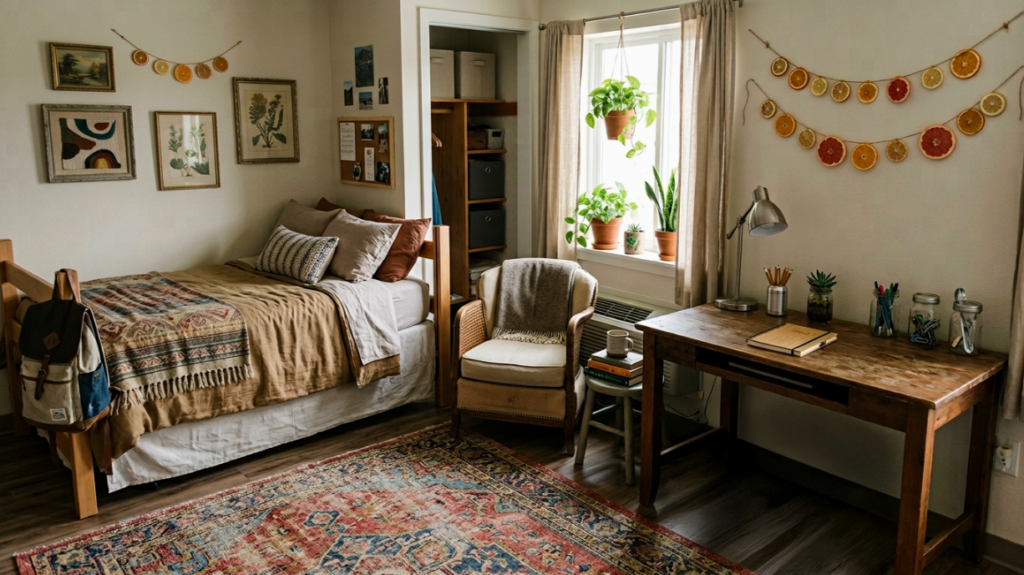
- Plants: Add personality to your room with a houseplant. Consider propagating a plant from home or asking a friend or family member for a cutting.
- Wall decor: Check thrift stores for unique artwork, frames and other decor.
- Rugs and textiles: Look for secondhand options or bring items you already own.
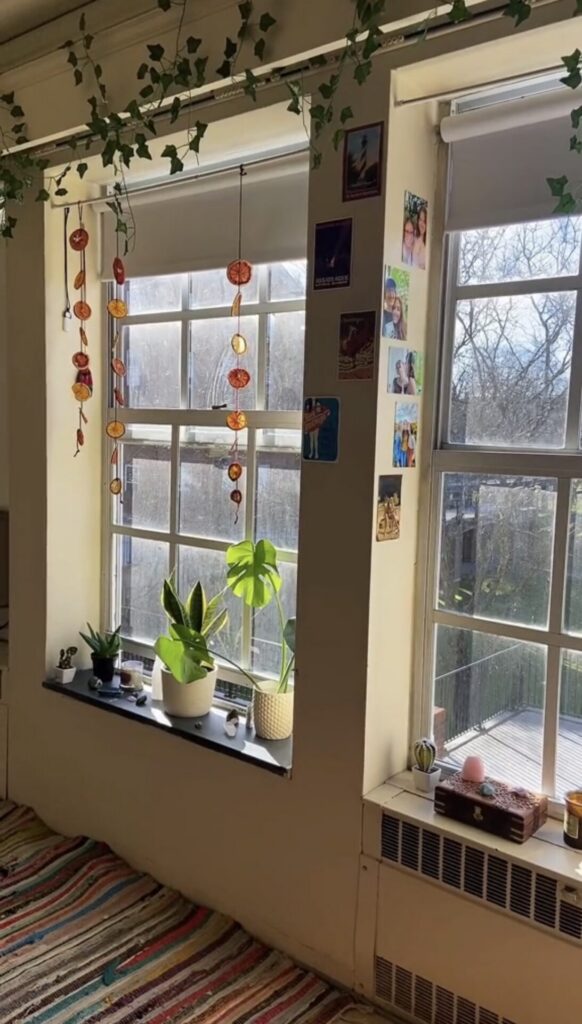
Sustainable swap: Thrift stores can be great places to find unique dorm decor. You may find something you love while giving a used item a second life.
Everyday Essentials
- Small trash bin: Check if you already have one at home or look for a secondhand option.
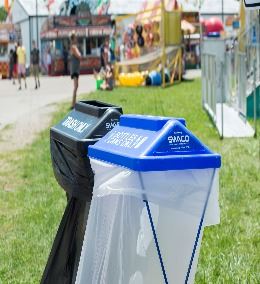
- Recycling bin: See if your residence hall provides recycling collection or bins before purchasing one.
- Reusable water bottle: Bring one from home instead of buying a new bottle for campus.
- Reusable plates, bowls and cups: Check at home first to see what you can bring with you. Thrift stores are also a great place to find affordable dish sets and individual pieces. Choose a practical amount for your needs and look for durable items you can use throughout college and beyond.
- Reusable cutlery: Keep a couple of sets in your dorm and consider carrying a set in your backpack for meals on the go. Having reusable cutlery with you can help you avoid disposable utensils when eating out or grabbing food between classes.
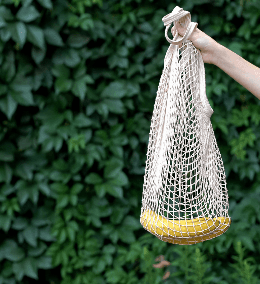
- Reusable shopping bags: Keep a few handy for trips to the grocery store.
- Food storage containers: Bring reusable containers from home.
Sustainable swap: Think about the items you use every day and choose reusable versions when they make sense. Just remember: The goal is not to buy more reusable products. It’s to use the ones you already have for as long as possible.
—
Ready for College Without the Waste
Getting ready for college can be exciting, but it’s easy to get caught up in the pressure to buy everything new. A new school year doesn’t have to mean a new version of everything you own.
Before you shop, take inventory of what you already have. Ask friends and family if they have items you can borrow or reuse. Check out thrift stores and secondhand marketplaces for furniture, decor, clothing and storage. Talk with your roommates about what you can share, and wait until you arrive on campus to figure out what you actually need.
The best way to reduce waste is to start with what you already have. Reuse items you own, borrow or share when you can, and consider secondhand options before buying something new. When you do need to purchase something, choose durable products made with sustainable materials when possible and look for items you can continue to use for years to come.
As you settle into your new home away from home, be sure to learn about the recycling rules in your community and on your campus. Recycling guidelines can vary by location, so check with your local recycling program and your campus housing or facilities team to understand what belongs in your recycling bin and how to properly dispose of items that can’t be recycled.
A little planning can help you save money, reduce waste and create a dorm room that feels like home.