

A fleet is more than the equipment in it. It is every decision about what powers that equipment, how that power gets there and what it costs, in dollars and emissions, to keep operations moving.
SWACO has implemented a comprehensive, multi-platform alternative fuel strategy designed to reduce emissions, stabilize operating costs and improve long-term fleet reliability. Rather than pursuing a single technology pathway, the agency is matching fuel solutions to the operational needs of each fleet segment, including compressed natural gas for transfer hauling, electric equipment at transfer stations and hybrid vehicles for administrative staff. The approach reflects a broader shift away from diesel and a practical strategy focused on using the right technology for the right application while maintaining reliability in a high-demand solid waste environment.
Why CNG Works for SWACO Operations
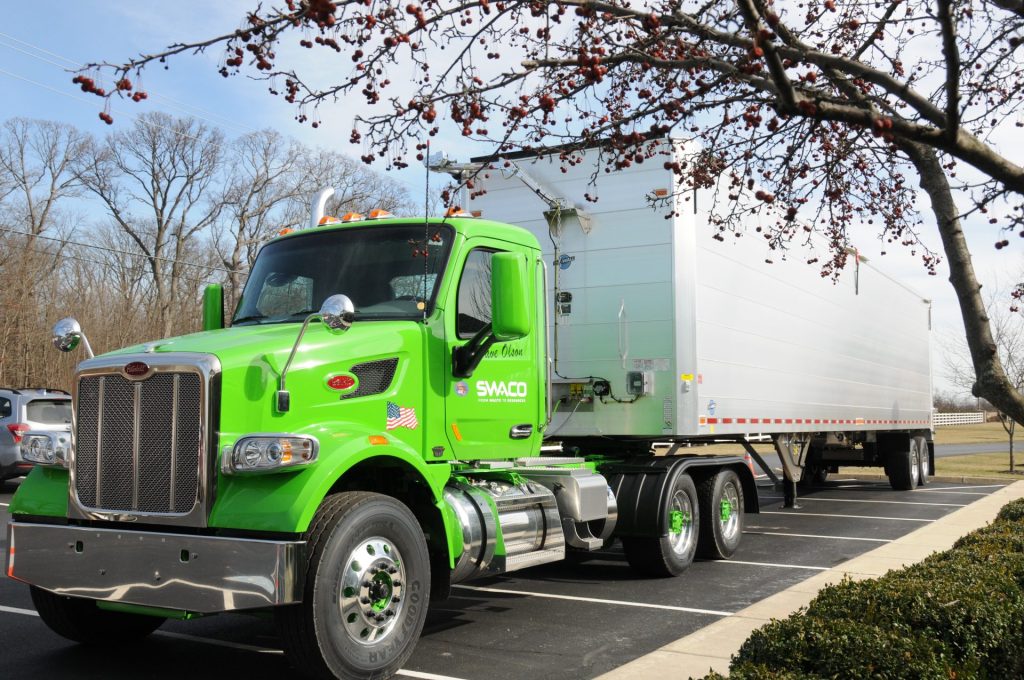
SWACO’s transfer tractors run a defined route every day, traveling from transfer stations to the Franklin County Sanitary Landfill and back. That predictability is what makes compressed natural gas, or CNG, a practical fit for the operation.
CNG works best in fleets that return to a central fueling point regularly. Transfer trucks do. Drivers refuel on a fixed schedule without altering routes or relying on public CNG infrastructure across the region. The logistical challenges that limit CNG adoption in long-haul trucking largely do not apply in this environment.
SWACO is replacing diesel transfer tractors with CNG-powered units at a rate of approximately six per year, allowing the authority to build operational experience, maintenance capacity and fueling infrastructure alongside the transition rather than ahead of it.
Operationally, CNG provides comparable horsepower and torque for transfer hauling while producing lower carbon dioxide emissions than diesel and significantly reducing nitrogen oxide and particulate matter emissions. Those reductions matter particularly near transfer facilities operating in or adjacent to Columbus neighborhoods, where improved air quality directly benefits staff and surrounding communities.
Cleaner combustion also reduces soot-related engine contamination and oil degradation over time, creating maintenance advantages that compound across a large fleet.
The transition does introduce new requirements. High-pressure fuel systems and scheduled tank inspections are not part of a traditional diesel maintenance program. SWACO is addressing that through Cummins OEM technician certification, tooling updates and expanded compliance inspections that equip the in-house maintenance team to support both diesel and CNG equipment during the multiyear transition.
At the same time, CNG engines eliminate diesel particulate filters and diesel exhaust fluid systems, reducing aftertreatment complexity, labor demands and parts consumption commonly associated with heavy-duty diesel fleets.
Producing Renewable Fuel From Landfill Gas at the Franklin County Sanitary Landfill
The most consequential part of SWACO’s alternative fuel strategy is not the trucks themselves. It is where the fuel will come from.
The Franklin County Sanitary Landfill generates landfill gas continuously as organic material decomposes beneath the surface. That methane-rich gas is already captured through an on-site collection system. SWACO is now developing a fueling station that will clean and upgrade the landfill gas into renewable natural gas before compressing it into CNG for direct use in the transfer fleet.
The process creates a closed-loop system. Waste decomposition produces landfill gas, the collection system captures it, the gas is cleaned and upgraded into renewable natural gas, and that fuel is compressed into CNG and used to power SWACO’s transfer fleet.
That loop turns waste into fuel. Material brought to the landfill ultimately helps power the trucks that hauled it there.
The strategy reduces reliance on outside fuel suppliers while creating more predictable long-term fuel costs. It also converts methane, a potent greenhouse gas, into a usable energy source rather than allowing it to be flared or released.
Electric Material Handlers at SWACO Transfer Stations
Transfer stations present a different operating environment than the landfill road. Equipment operates from fixed locations, runs consistent shifts of approximately 12 hours per day and works inside or adjacent to enclosed structures where diesel exhaust can accumulate.
SWACO has replaced traditional diesel-powered material handlers at its transfer facilities with fully electric units.
The operational impact is immediate. Electric equipment produces zero on-site emissions, improving air quality for operators and facility staff while also significantly reducing operating noise inside transfer facilities.
Electric motors deliver instant torque without the performance lag associated with diesel engines, making the equipment well-suited for continuous loading and material movement throughout the day.
Maintenance requirements are also simplified. Electric material handlers eliminate engine oil changes, fuel filters and diesel aftertreatment systems while reducing moving parts and traditional failure points. For high-utilization equipment, this translates into lower maintenance hours, reduced parts consumption, increased uptime and longer service intervals.
Although capital costs are higher, lifecycle analysis shows lower operating costs over time through reduced maintenance and lower energy costs per operating hour.
SWACO has also deployed hybrid vehicles for executive and administrative staff, providing measurable fuel-efficiency gains in stop-and-go driving without requiring charging infrastructure or changes to employee travel patterns. This ensures efficiency gains extend across the full fleet, not just heavy equipment.
A Data-Driven Fleet Strategy
The transition across SWACO’s fleet is supported by a detailed asset management framework that tracks fuel consumption, maintenance costs, uptime and lifecycle performance across diesel, CNG and electric platforms.
That operational data supports a five-year equipment lifecycle plan that helps determine when assets are repaired, rotated or replaced.
The intent is to let performance lead decision-making. As additional CNG tractors and electric equipment accumulate operating hours, SWACO continues building a measurable, field-tested case for how alternative fuel technologies perform in demanding solid waste operations.
Rather than treating alternative fuels as standalone initiatives, SWACO is using real-world operating data to guide long-term fleet decisions and system design across its solid waste operations.